About Muffle Furnace
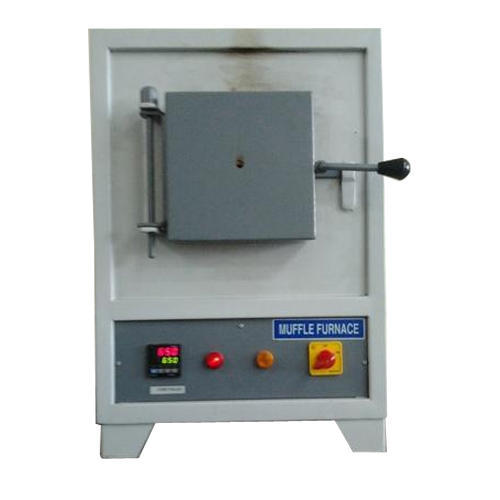
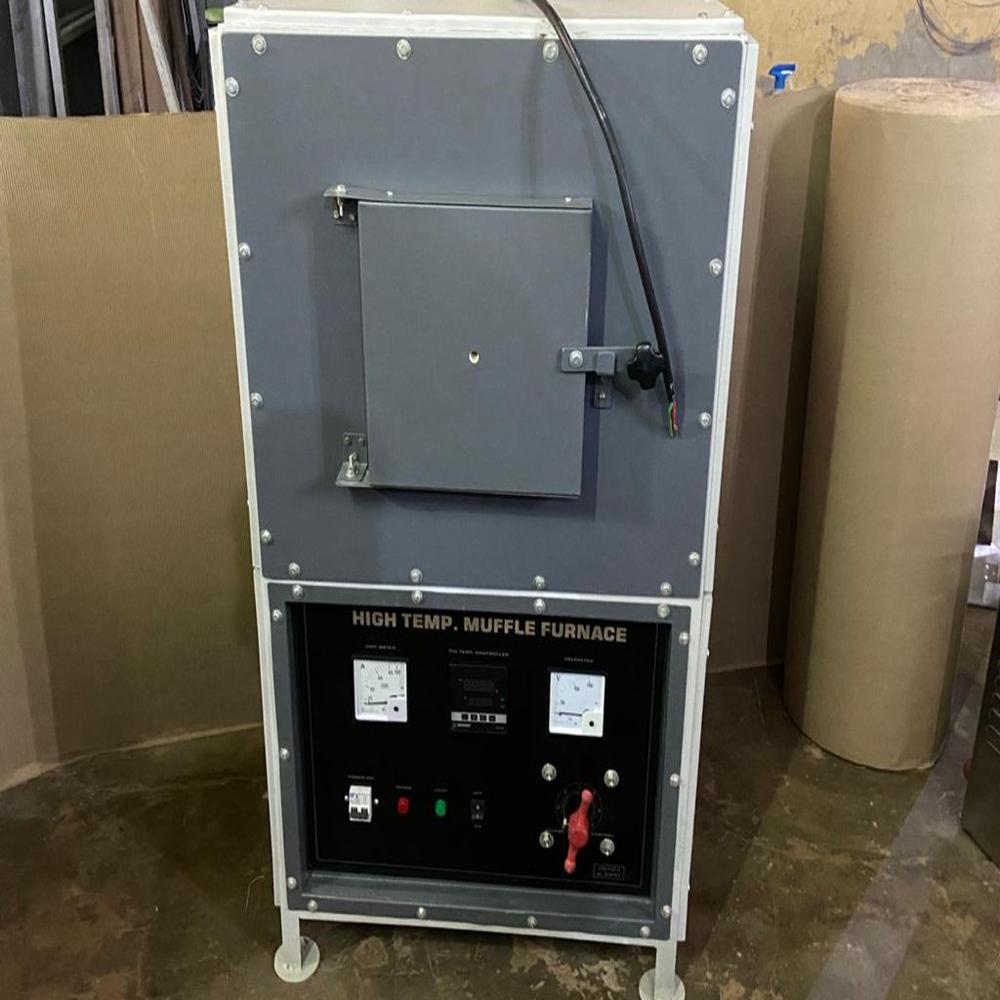
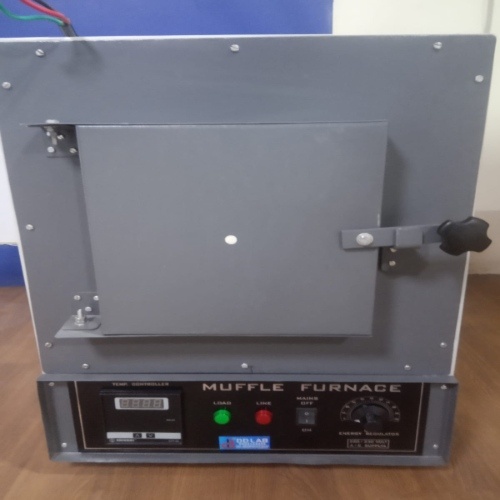
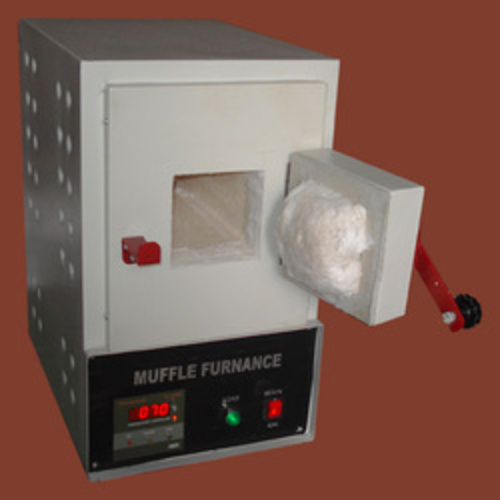
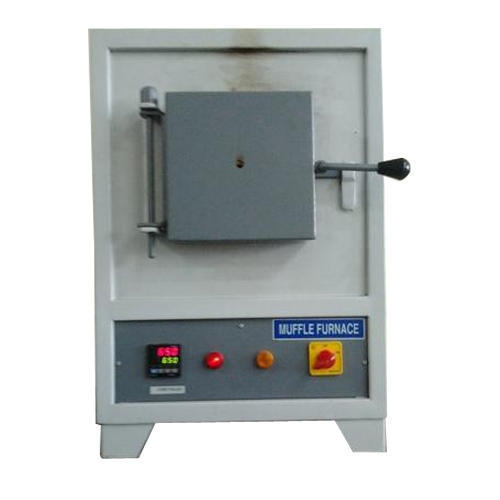
Outer casing is made of thick Mild Steel duly powder coated. Light weight with ceramic fiber wool insulation (instead of Brick insulation). Heating elements are made of KANTHAL A-1 wire. Thermal loss is prevented by ceramic fiber insulation in space between the outer body & heating chamber. Fitted with heavy hinges & door is duly insulated. Maximum working temperature range up to 900C is fitted with wounded muffle. Fitted with thermocouple & silver fuse for protection of chamber. Temperature is controlled by electronic digital temperature indicator cum controller from 50C to 900C, +50C fitted on the front panel for easy operations. Front Panel is provided with ON/OFF switch, sun Vic energy regulator, pyrometer and indicators. Supplied with cord and plug. Operating Voltage: 220 Volts AC (50 Hz). Chamber Size : 6"X6"X12
Advanced Temperature Uniformity & ControlEquipped with digital PID control and Kanthal A-1 wire elements, this muffle furnace ensures rapid heating with temperature uniformity within 10C at the maximum temperature. The digital LED display allows precise monitoring and simple adjustment, guaranteeing consistent, accurate results essential for laboratory processes such as ashing or heat treatment.
Safety & Durability Built InWith features like a safety interlock, thermal overload protection, and a safety switch on the front-loading door, this furnace prioritizes operator safety. The corrosion-resistant mild steel body with a powder-coated finish, combined with high-grade ceramic insulation, enhances both durability and lasting performance in demanding environments.
FAQ's of Muffle Furnace:
Q: How should I install and use the front-loading muffle furnace in my laboratory?
A: Place the muffle furnace on a stable tabletop in a well-ventilated indoor laboratory environment. Connect it to a 220V/230V AC single-phase power supply, ensuring the voltage meets your model's specifications. Load samples into the high-purity ceramic chamber through the insulated front door using the handle. Set your desired temperature on the digital PID controller, then monitor operations using the digital LED display.
Q: What applications is this muffle furnace suitable for?
A: This furnace is built for laboratory processes including ashing, annealing, heat treatment, and other analytical or material testing applications that require controlled high-temperature environments between 1200C and 1400C.
Q: When should I perform maintenance on the furnace?
A: Regularly inspect the furnace before each use for any visible damage to the insulation, chamber, or electrical components. It is recommended to schedule routine maintenance checks based on your frequency of use, typically every 6-12 months. Always ensure the furnace has cooled down and is disconnected from the power supply before performing maintenance.
Q: Where can this furnace be safely operated?
A: The furnace is designed exclusively for indoor laboratory use on flat, stable surfaces. It should not be used outdoors or in damp environments. The area should be well-ventilated to dissipate any residual heat safely.
Q: What safety features are included, and how do they protect users?
A: The furnace is equipped with a thermal overload protection system, a safety interlock, and a safety switch on the door. These features automatically cut off power to prevent overheating and accidental operation when the door is open, protecting both samples and laboratory personnel.
Q: How does the furnace maintain temperature accuracy and uniformity?
A: A digital PID controller regulates the heating element, providing accuracy to within 5C. The high-grade ceramic insulation and firebrick chamber design ensure temperature uniformity within 10C at maximum temperature, delivering reliable results throughout the chamber.
Q: What are the benefits of the materials and construction used in this furnace?
A: The combination of a ceramic wool-insulated chamber, high-purity ceramic lining, and an outer body made from powder-coated mild steel ensures excellent heat retention, corrosion resistance, and structural durability. These materials support long-term operational reliability and efficiency in demanding laboratory applications.






 Send Inquiry



 Send Inquiry

 Send Inquiry


 English
 Spanish
 French
 German
 Italian
 Chinese (Simplified)
 Japanese
 Korean
 Arabic
 Portuguese