About Science Laboratory Furniture
Science laboratory furniture refers to a specialized range of fixtures and workstations designed to support scientific teaching, research, and experimentation in educational, medical, and industrial lab environments. This furniture is engineered to promote safety, durability, and functionality, tailored to the specific needs of various scientific disciplines like chemistry, biology, and physics.
Description of Science Laboratory Furniture:1. Purpose and Functionality:
Science lab furniture provides a safe, efficient, and organized environment for conducting experiments and demonstrations. It facilitates proper storage, utility access (gas, water, electricity), and ergonomic working conditions.
2. Common Types of Science Laboratory Furniture:
-
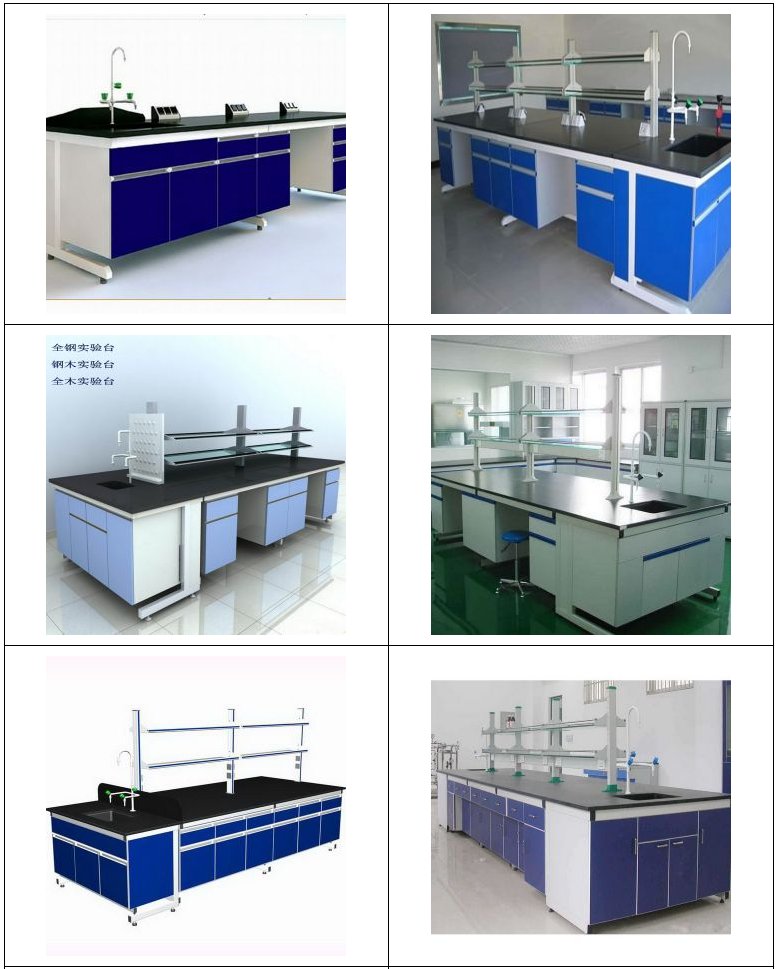
Laboratory Workbenches/Tables: Chemical- and heat-resistant surfaces for hands-on lab work.
-
Fume Hoods: Ventilated enclosures that protect users from hazardous fumes or vapors.
-
Sink Units & Wet Lab Stations: Equipped with water supply and drainage for washing and handling liquids.
-
Storage Cabinets: For chemicals, glassware, instruments, and safety equipment; includes flammable and acid storage units.
-
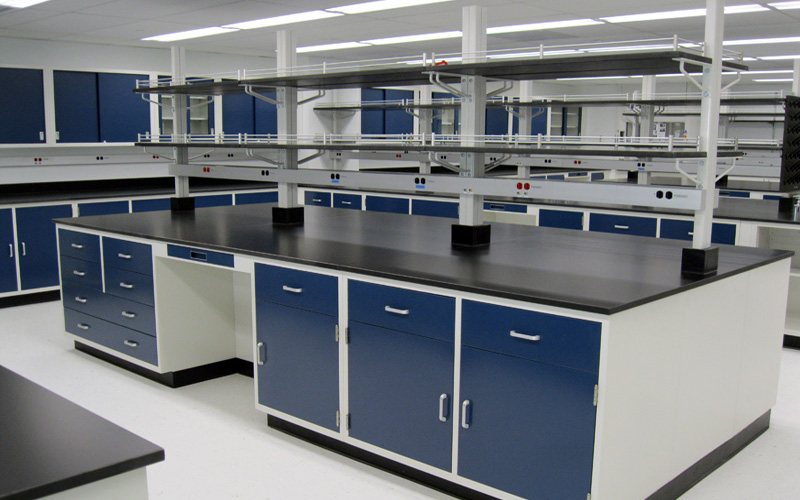
Wall Benches & Center Islands: Maximize workspace in large labs, often shared among students or researchers.
-
Stools and Chairs: Ergonomic seating designed for lab safety and comfort.
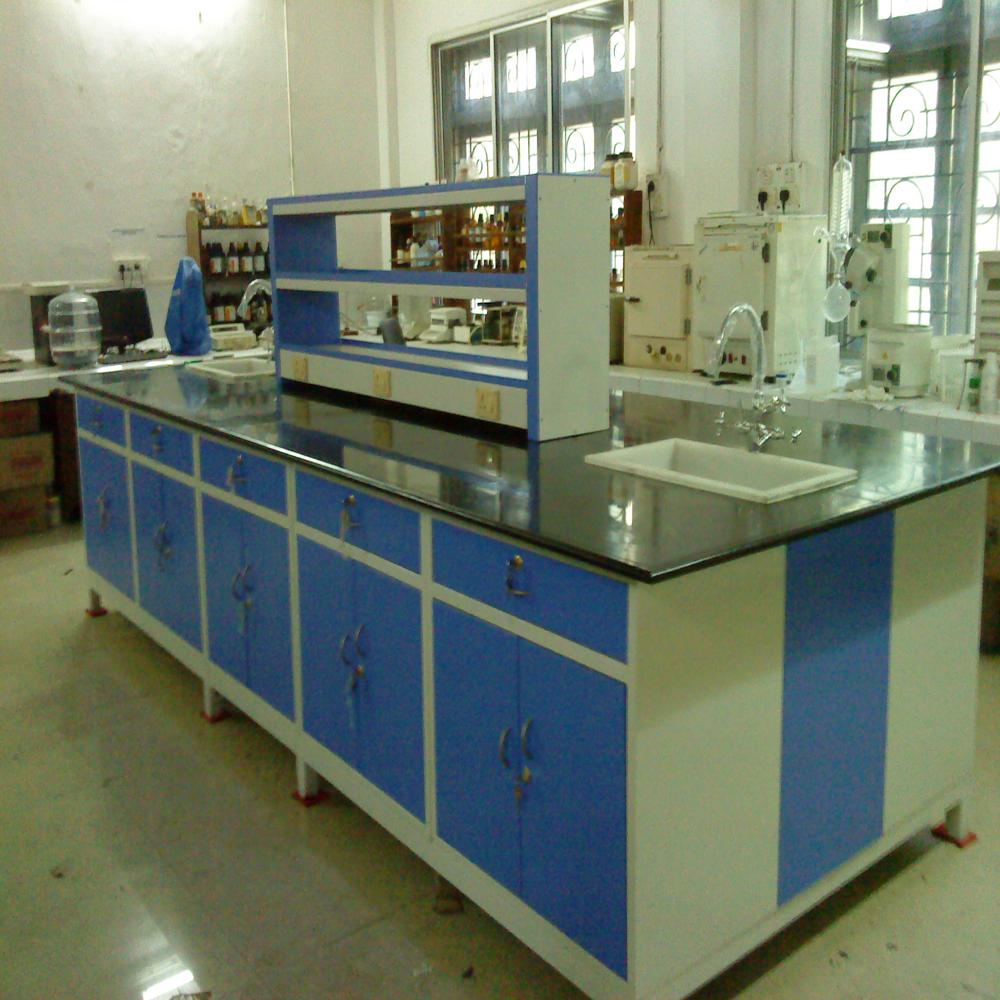
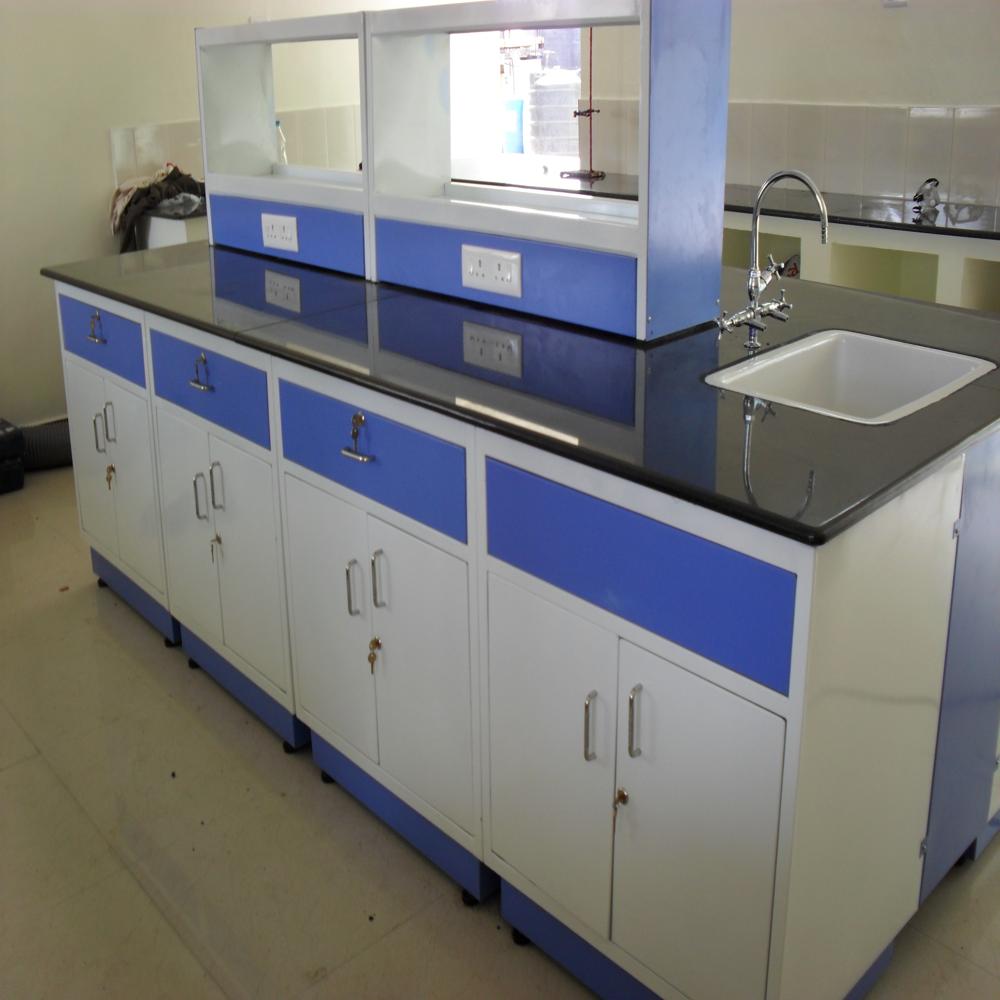
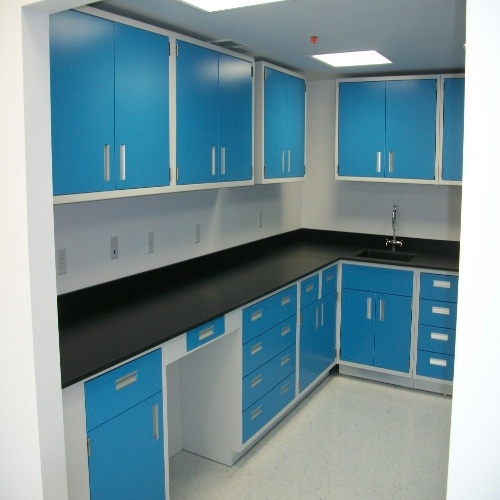
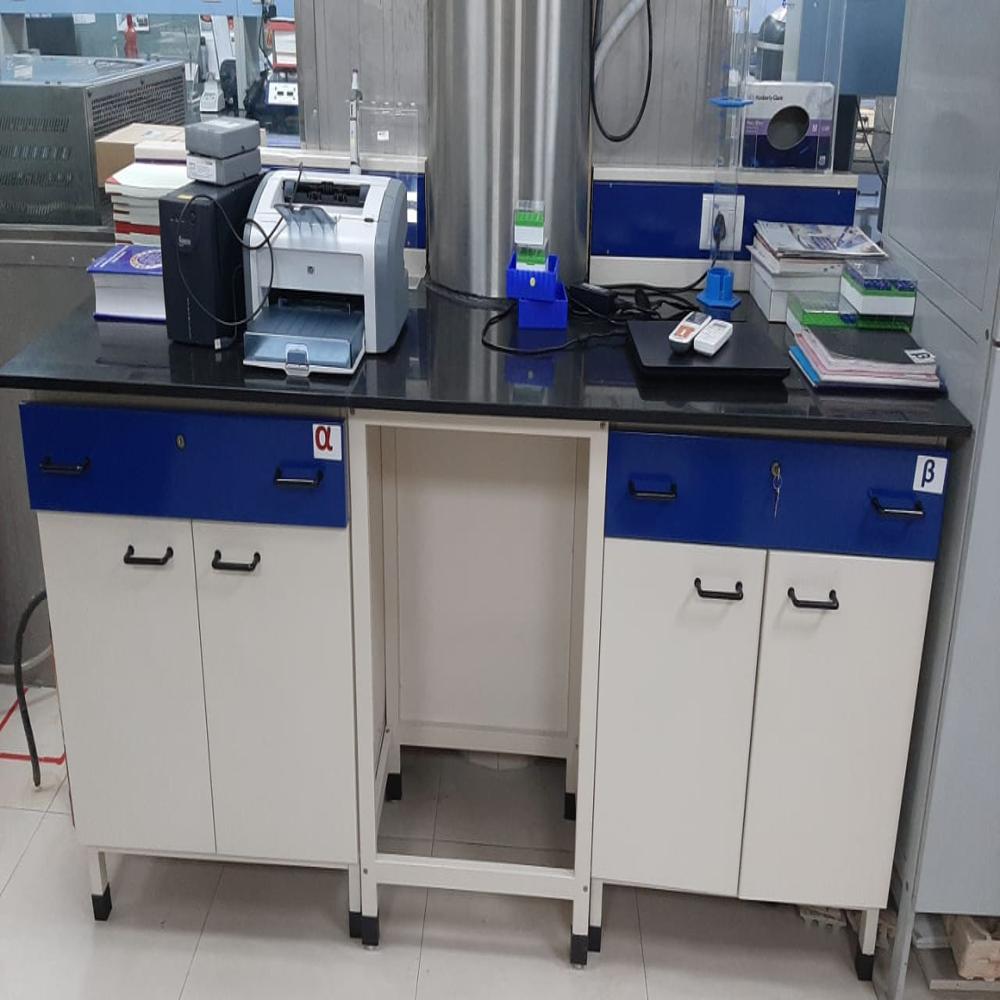
Durable and Safe Laboratory WorkbenchEngineered for rigorous laboratory environments, this modular workbench combines galvanized iron construction, a 304 stainless steel top, and a granite work surface. The electrostatic epoxy powder-coated finish and chamfered granite edges provide outstanding chemical and mechanical resilience. Lockable cabinets and drawers ensure secure storage, while built-in power sockets and integrated plumbing enhance functionality. The adjustable feet keep the workbench level, guaranteeing a safe and productive workspace.
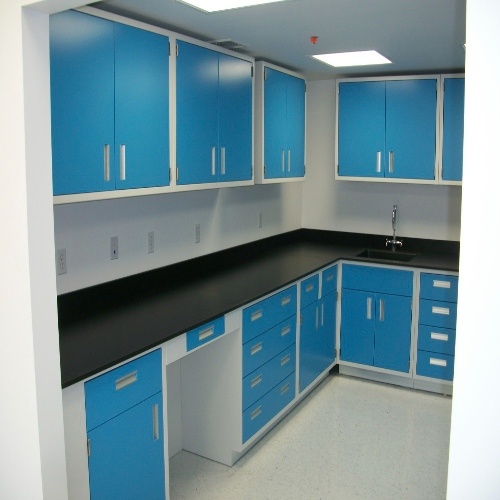
Customizable and Ergonomic FeaturesThe blue and white laboratory bench offers a customizable size and color scheme to suit your workspace requirements. Both polypropylene and porcelain sinks are available, allowing flexibility based on the chemicals used. The two upper shelves, six drawers, and six lockable cabinets provide ample organized storage. Its integrated tap, drain fittings, and conveniently placed electrical sockets streamline day-to-day operations, making it ideal for a variety of chemical and scientific lab tasks.
FAQ's of Science Laboratory Furniture:
Q: How is the laboratory bench customized for different laboratory needs?
A: The workbench can be tailored in size, color (blue/white), and sink material (polypropylene or porcelain), ensuring it meets the specific demands of your laboratory setup and aesthetics.
Q: What makes the workbench resistant to chemicals and corrosion?
A: Constructed from galvanized iron with an epoxy powder coating and featuring a granite worktop, the bench provides high resistance to chemicals, acids, and corrosion. The water and acid-resistant materials ensure long-term durability, even with intensive use.
Q: When should I choose polypropylene versus porcelain for the sink material?
A: Select a polypropylene sink for superior chemical resistance and lightweight requirements. Choose porcelain if you need higher temperature tolerance or a more traditional look. Both options are well-suited for laboratory applications, depending on your chemical use and cleaning needs.
Q: Where are the integrated utilities such as plumbing and electrical sockets located?
A: The workbench includes built-in tap and sink with drain fittings, integrated directly into the worktop. Electrical power sockets are conveniently built into the shelf unit for easy and safe access to laboratory equipment.
Q: What is the process for installing and leveling the workbench?
A: Installation involves setting the bench in place and adjusting the levelers on each foot to accommodate uneven floors. This ensures a stable and secure workstation, reducing risks of spills or accidents during laboratory work.
Q: How does the workbench support heavy lab equipment?
A: The granite worktop is designed with a load capacity of 250 kg/m2, accommodating typical laboratory instruments and apparatus. Under-cabinet storage and shelving provide additional space for equipment without compromising structural integrity.
Q: What are the main benefits of this laboratory workstation?
A: Key benefits include excellent chemical resistance, high load capacity, integrated utilities, lockable secure storage, ergonomic organization, customizable design, and compliance with modern laboratory safety and operational standards.







 Send Inquiry


 Send Inquiry


 Send Inquiry


 English
 Spanish
 French
 German
 Italian
 Chinese (Simplified)
 Japanese
 Korean
 Arabic
 Portuguese
