About Chemical Fume Hood
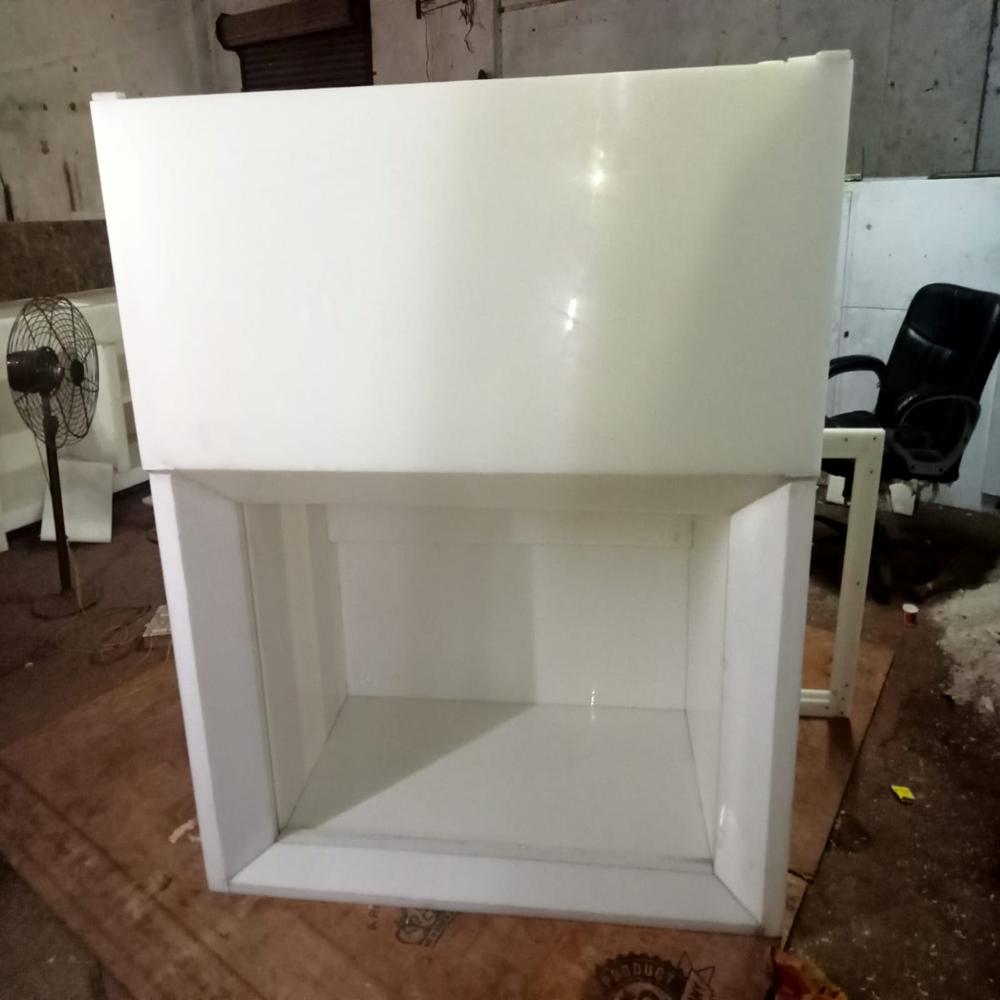
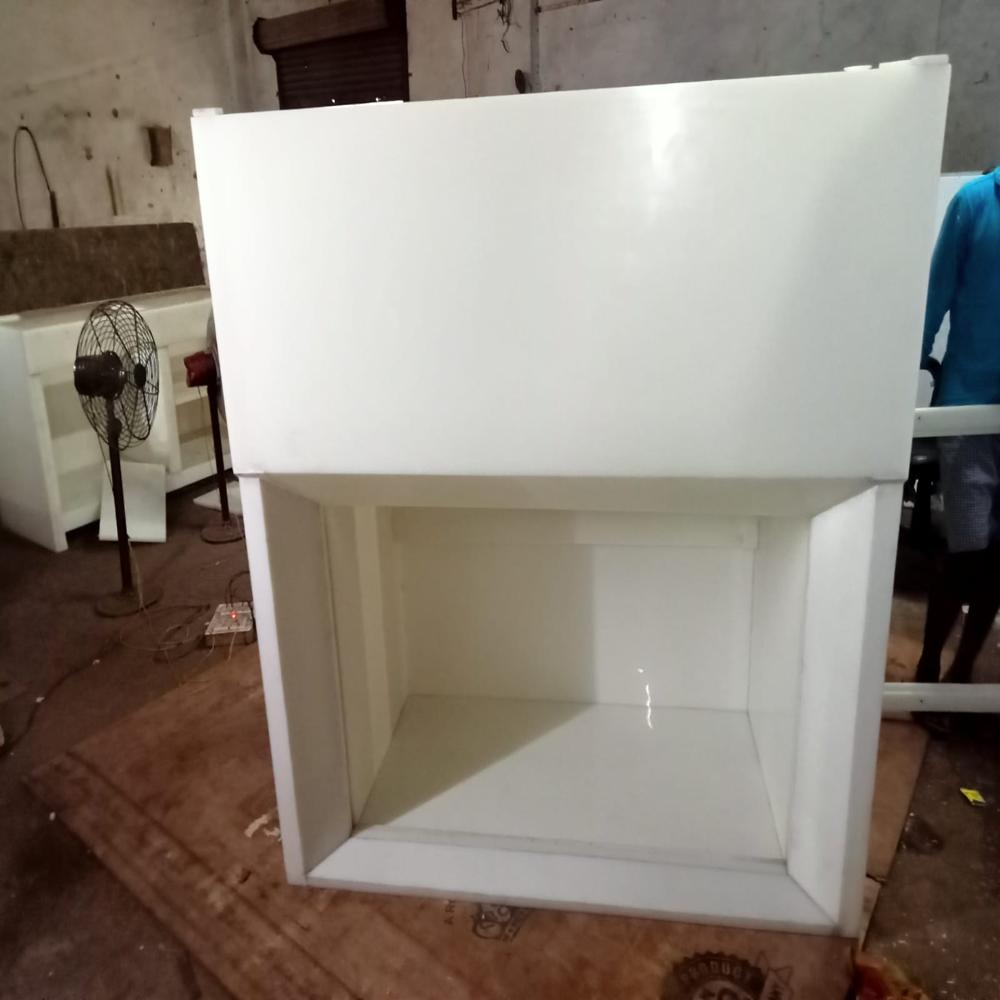
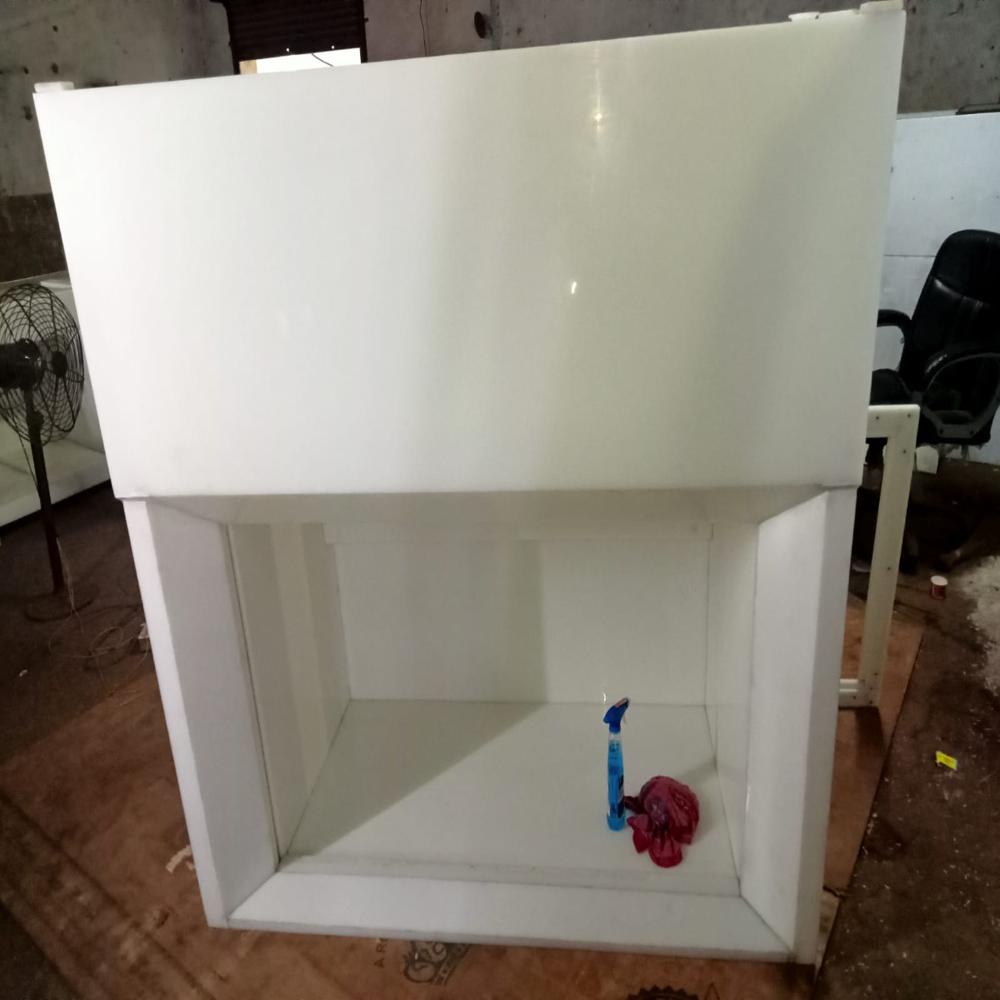
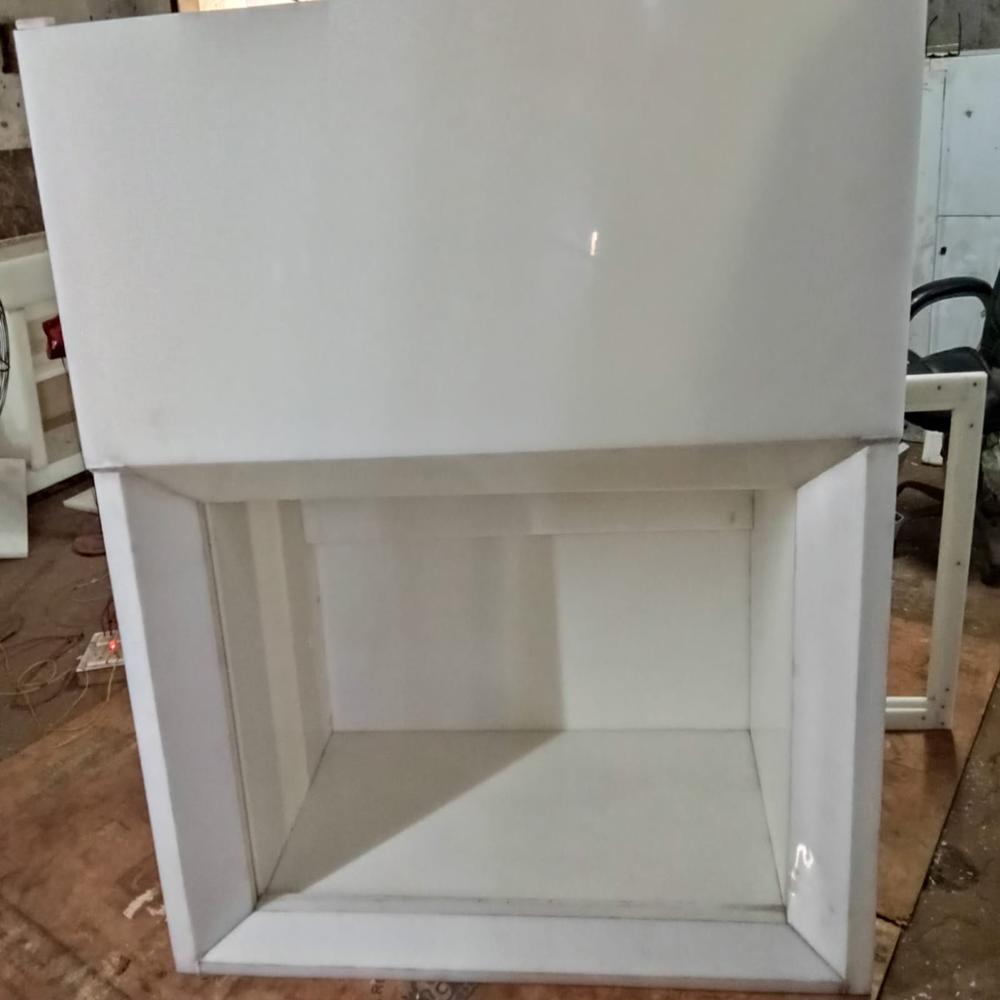
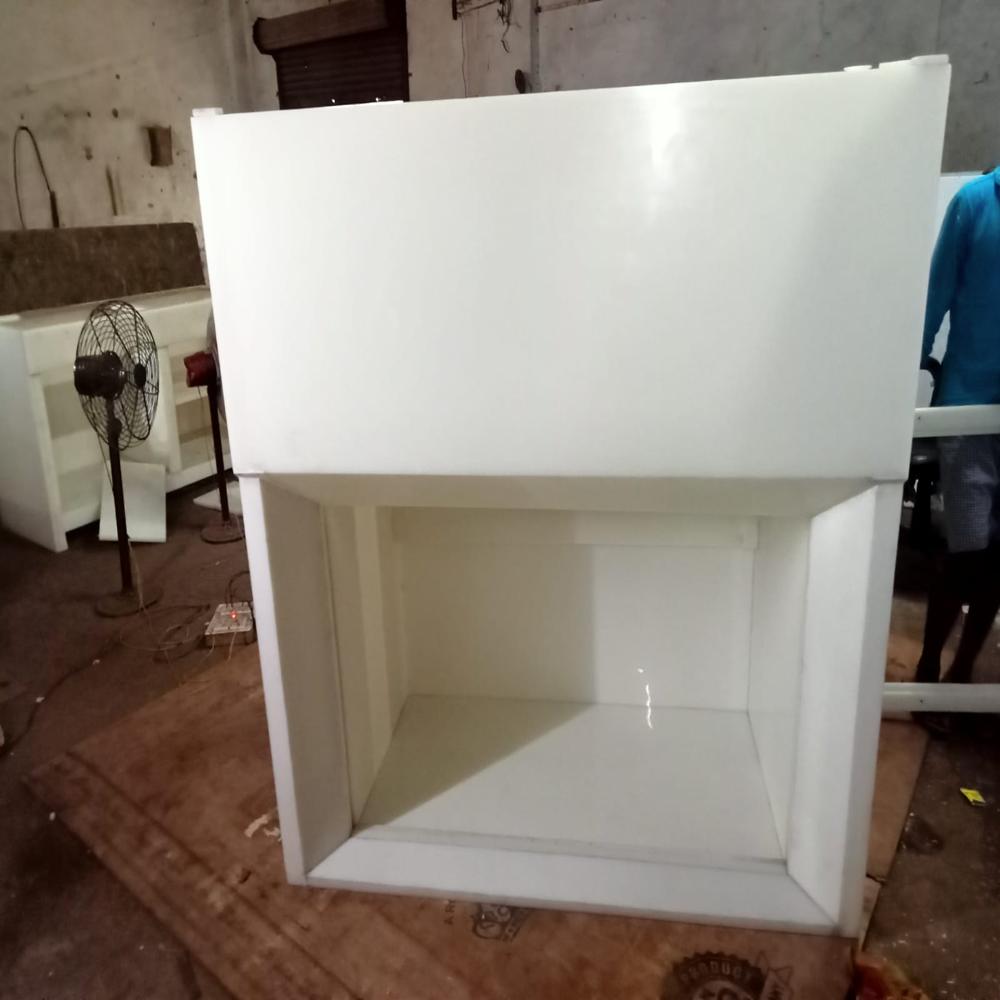
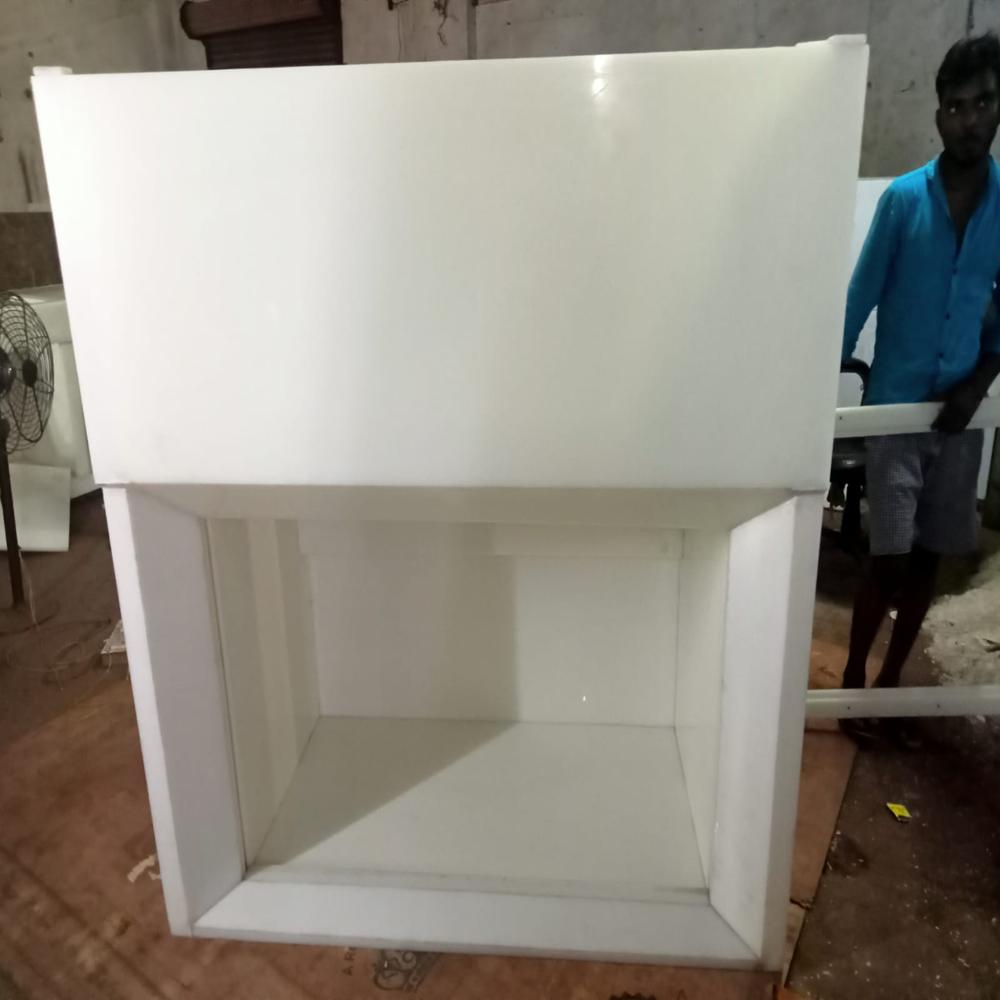
ume hood is a ventilated laboratory enclosure designed to safely capture and exhaust hazardous fumes, vapors, and dust generated during experiments or chemical handling. It protects users by drawing air away from the workspace and filtering or venting harmful substances to prevent inhalation exposure.
Typically constructed with a durable, chemical-resistant frame, a fume hood features a sash (movable glass window) that provides visibility and a physical barrier between the user and the experiment. Air is drawn into the hood and either filtered (in ductless fume hoods) or expelled through an external exhaust system (in ducted fume hoods).
Key Features:
-
Airflow system to maintain negative pressure inside the hood
-
Adjustable sash for user protection and airflow control
-
Internal lighting for clear visibility
-
Chemical-resistant work surface and lining
-
Optional alarms for airflow or filter performance
Superior Chemical Resistance & SafetyEngineered from polypropylene and available with stainless steel or granite worktops, this fume hood offers excellent resistance against chemical spills and corrosion. Its toughened safety glass sash and smooth, easy-to-clean surfaces ensure robust protection for laboratory personnel. The design meets stringent laboratory safety standards, making it a reliable choice for handling hazardous chemicals.
Optimal Performance and CustomizationFeaturing adjustable airflow (0.3-0.5 m/s) and low-noise operation, the fume hood delivers efficient fume exhaust without disturbing laboratory environments. Users can select LED or fluorescent lighting, manual or optional microprocessor controls, and various worktop materials. Custom sizes, colors, and electrical configurations are available to accommodate diverse lab requirements.
Flexible Installation and UsageThe Chemical Fume Hood is suitable for academic, industrial, and research laboratories. Its integrated blower with ducting connection ensures straightforward installation, while optional castor wheels offer movable convenience. Suitable for handling acids, solvents, and various hazardous compounds, this system guarantees a safer and cleaner laboratory environment.
FAQ's of Chemical Fume Hood:
Q: How does the chemical fume hood remove hazardous fumes from the laboratory?
A: The fume hood employs an integrated blower connected to a ducting system, efficiently capturing and expelling hazardous chemical vapors and airborne contaminants outside the laboratory, ensuring a safe working environment.
Q: What types of worktops are available for this fume hood, and how do I choose the right one?
A: You can choose between polypropylene, granite, or ceramic worktops based on your chemical handling needs and resistance preferences. The selection depends on the types of chemicals used and lab workload; our specialists can guide you to the most suitable option.
Q: When should I use the fume hood's optional service fittings like water, gas, or vacuum?
A: Optional inlet fittings are helpful when experiments require direct access to water, gas, or vacuum. These should be configured prior to installation based on experimental protocols and safety requirements.
Q: Where can this chemical fume hood be installed, and is mobility an option?
A: This unit is suitable for installation in academic, pharmaceutical, industrial, or research laboratories. Optional castor wheels can be provided for easy relocation within your workspace, offering flexible laboratory arrangements.
Q: What are the main benefits of using a chemical fume hood with a ducted exhaust system?
A: A ducted fume hood ensures the effective removal of hazardous fumes, reducing inhalation risks and promoting air quality. It also supports long-term compliance with laboratory safety guidelines and safeguards users during hazardous chemical procedures.
Q: How do users operate and maintain the sash and airflow for safe working conditions?
A: The vertical sliding sash allows users to adjust the opening for optimum protection and efficient air containment. Regular airflow checks and sash position adherence are crucial for maximum protection and should be part of routine lab safety practices.







 Send Inquiry


 Send Inquiry


 Send Inquiry
 Call Me Free


 English
 Spanish
 French
 German
 Italian
 Chinese (Simplified)
 Japanese
 Korean
 Arabic
 Portuguese
